
- Your cart is empty
- Continue shopping
-
Beseha
- Posted on
- Categories:Immunity and Digestion
- 0 comments

The 30-second answer
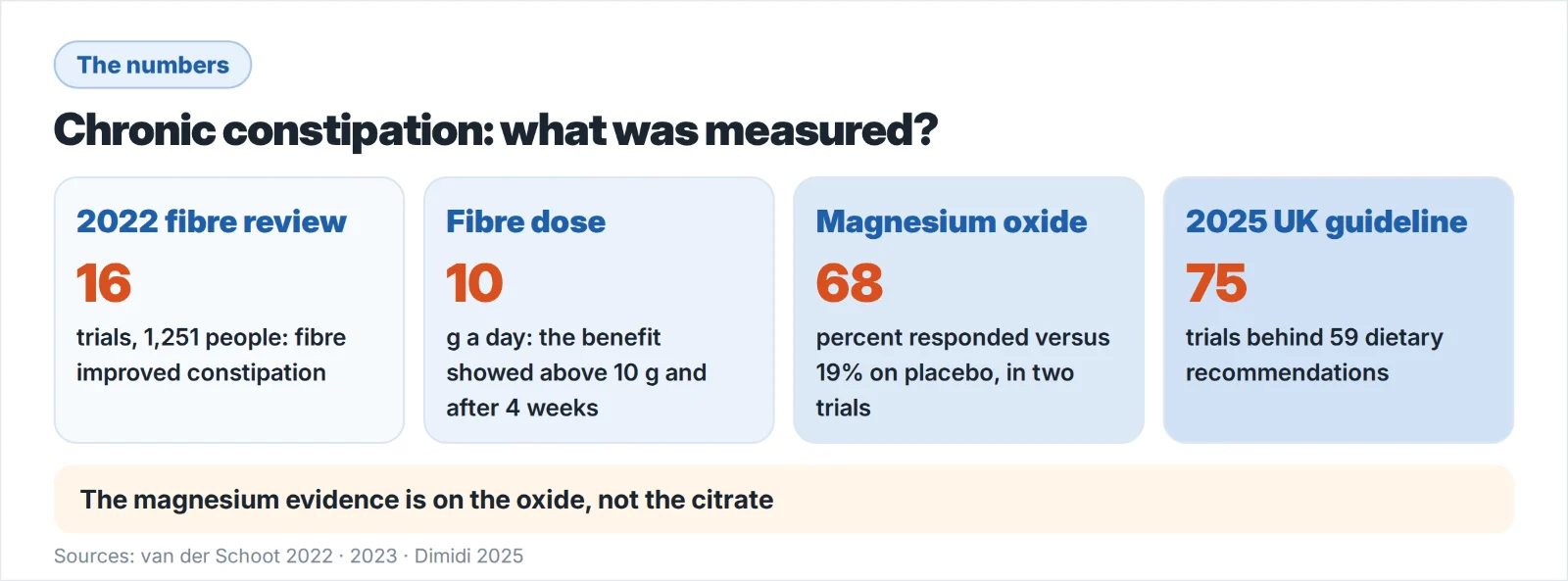
A 2022 review of 16 trials (1,251 adults) found fibre supplements improve chronic constipation: 66% responded versus 41% on placebo, and psyllium was among the types with an effect, but with more than 10 g a day and after 4 weeks, and gas rises. For magnesium, a 2023 review found magnesium oxide improves constipation (68% versus 19%), but we opened no study on the citrate we sell. The 2025 UK dietary guideline covers all of this. New constipation with blood, pain or weight loss needs a doctor, not a supplement.
Four products: what do their pages say?
#1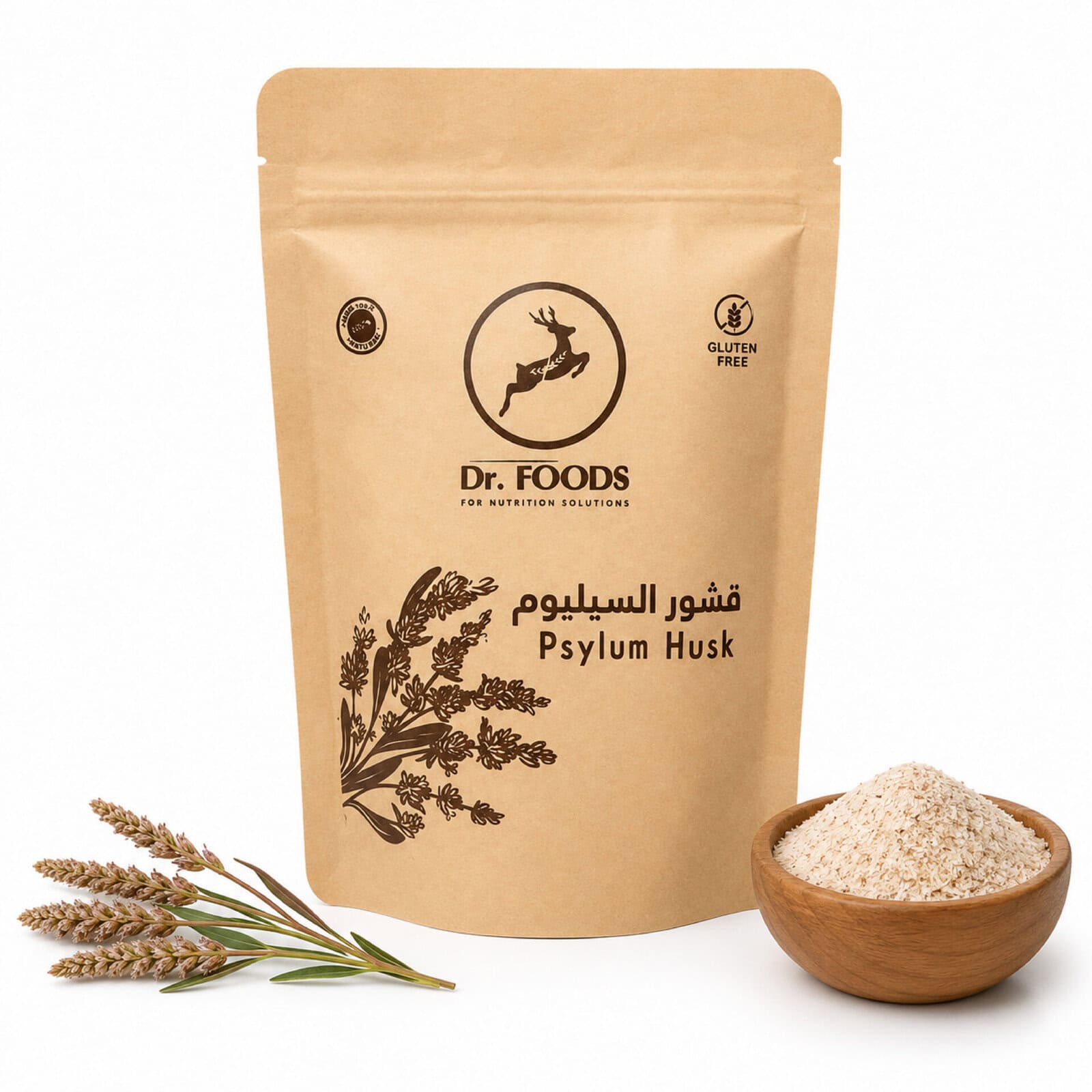
Soluble fibreSingle ingredient
Dr. Foods Psyllium Husk – 100 g
The type with an effect in the reviews
EGP 260
100 g · current price from the product page
- The page: 100% natural psyllium husk with no additives, a 100 g pouch
- The page: mix in a full glass of water and drink at once
Heads-up: The page gives no daily dose. At the studied dose (above 10 g) it would cost about 26 EGP a day (our calculation). The cost is about 2.6 EGP per gram
#2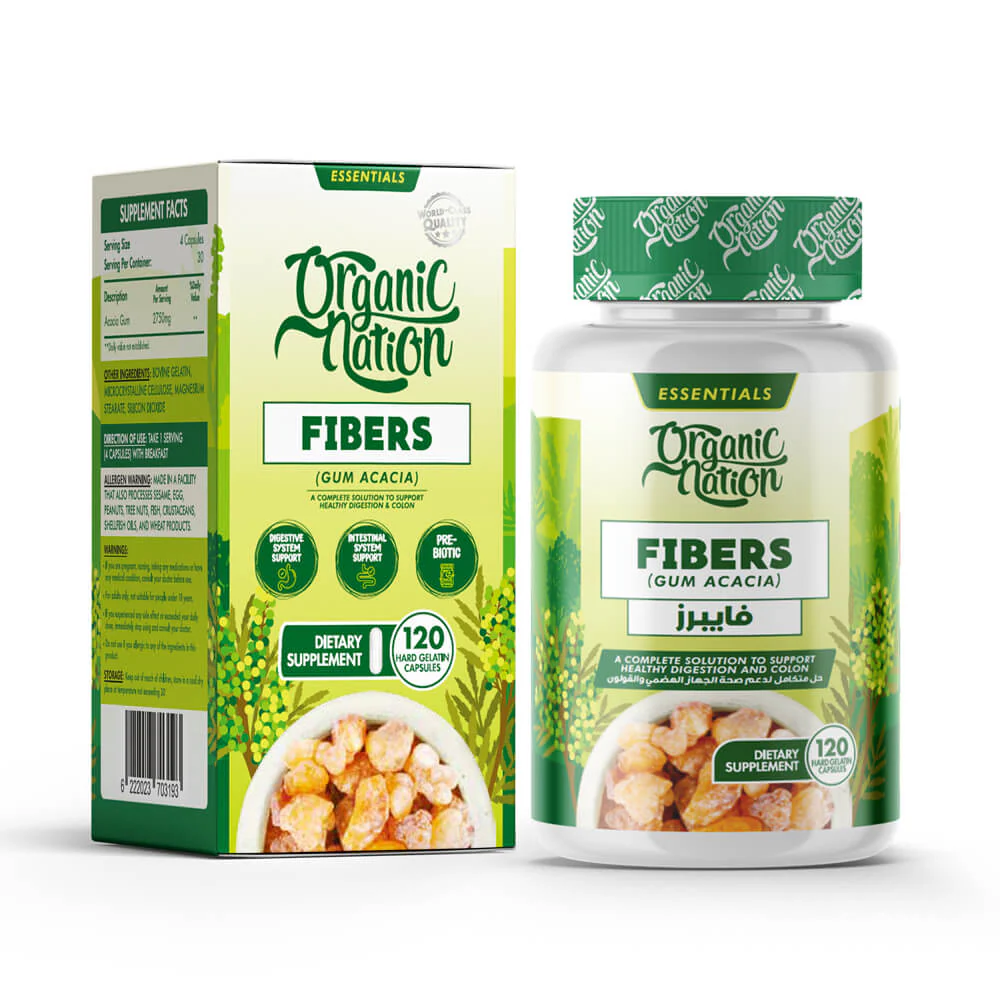
2,750 mg per 4 capsules30 days
Organic Nation Fibers Gum Acacia – 120 capsules
A soluble fibre at a small dose
EGP 275
120 capsules · current price from the product page
- The page: 4 capsules once a day with breakfast, and enough water
- The page: keep medicines 2 hours apart, as fibre can affect absorption
Heads-up: The dose is 2.75 g a day, far below the above-10 g in the fibre review, and the page relies on a 2008 study in healthy people, not constipation. The cost is about 9 EGP a day
#3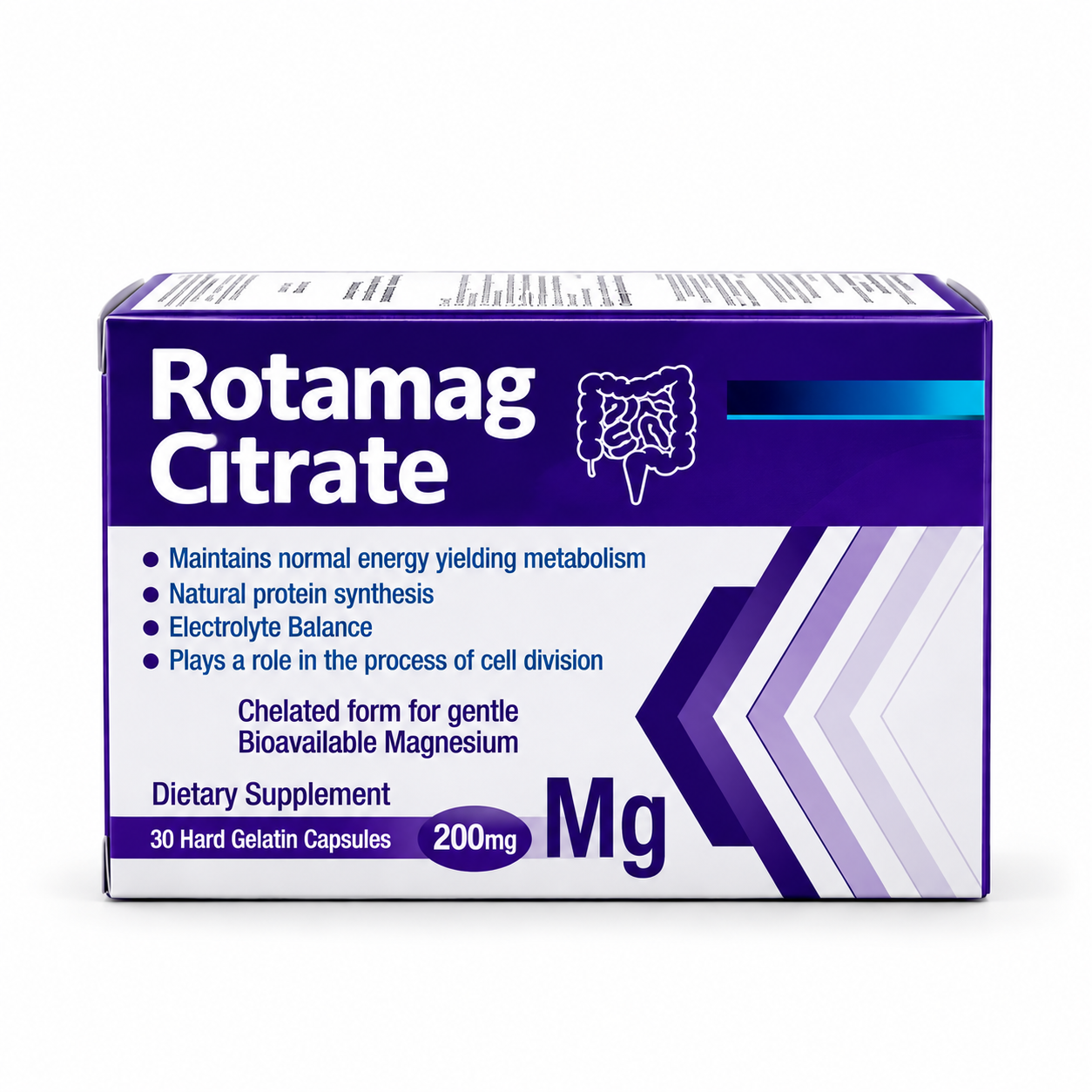
Magnesium citrate1 capsule a day
Rotamag Citrate – 30 capsules
The cheapest per day among the magnesium products
EGP 210
30 capsules · current price from the product page
- The page: unbuffered magnesium citrate 200 mg per capsule by Hefny Pharma, marketed for digestion and bowel regularity
- The page: one capsule a day with water
Heads-up: The evidence we opened is on magnesium oxide, not citrate. The page does not say whether 200 mg is elemental magnesium. Kidney patients only under medical supervision. The cost is about 7 EGP a day
#4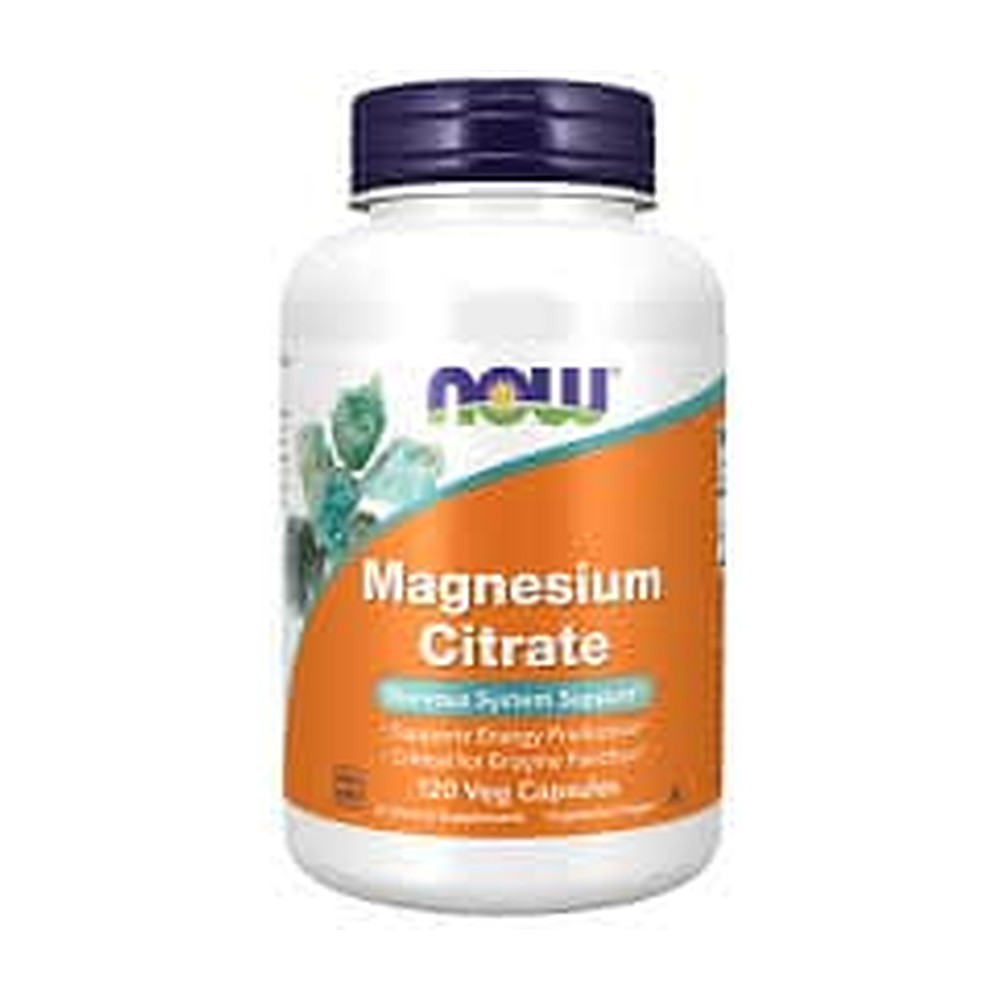
400 mg per 3 capsulesVegetarian
NOW Magnesium Citrate – 120 capsules
A higher dose at a higher price
EGP 1600
120 capsules · current price from the product page
- The page: about 400 mg magnesium per 3 capsules (NOW label)
- The page: magnesium supplements alone should stay under 350 mg a day, so many start with 1 to 2 capsules with food
Heads-up: May cause loose stools. Keep it away from some antibiotics and thyroid and bone medicines. The constipation evidence is on the oxide, not citrate. The cost is about 13 EGP per capsule
What does the research say?
| Study | Type | Result |
|---|---|---|
| van der Schoot 2022 | A review of 16 trials, 1,251 adults: fibre supplements for chronic constipation | 66% responded versus 41% on placebo; psyllium and pectin showed an effect; the benefit came with above 10 g a day and 4 weeks or more; gas rose |
| Mou 2026 | A network analysis of 17 trials, 1,423 adults: types of fibre | Viscous soluble fibres improved straining, stool consistency and frequency; insoluble fibres ranked highest on the overall symptom score but with very low certainty |
| Xi 2025 | A review of 7 trials, 187 older adults | No significant improvement in stool frequency, but less use of laxatives and enemas |
| van der Schoot 2023 | A review of 8 trials, 787 people: food and mineral supplements | Magnesium oxide: 68% responded versus 19%, and 3.7 more bowel movements a week; senna and kiwifruit did not have a significant effect, but the studies are few |
| Mori 2021 | A review of magnesium oxide for constipation | Useful, cheap and generally safe, but dose, blood magnesium and drug interactions need attention, especially in older people and kidney patients |
| Raked 2026 | A review of 10 short trials in functional bowel disorders | One study found acacia fibre improved stool frequency, and psyllium improved consistency; small and short studies (1 to 8 weeks) |
| Dimidi 2025 | UK dietary guideline for chronic constipation: 75 trials | 59 recommendations: fibre, minerals, probiotics, kiwifruit, prunes, rye bread and mineral water; most with low or very low evidence |
- Fibre first: it has the strongest evidence and is the cheapest, and psyllium is the clearest type in the reviews.
- The acacia dose is small: 2.75 g a day versus above 10 g in the studies, so do not expect the same result.
- Magnesium: the evidence is on the oxide. Citrate may do the same, but we opened no constipation study on it.
- No study on the four products themselves.
- Patience: the benefit showed after 4 weeks or more, not from day one.
Cost per day
| Product | Dose | Cost per day |
|---|---|---|
| Rotamag Citrate | 1 capsule (the page) | about 7 EGP |
| Fibers Gum Acacia | 4 capsules (the page) | about 9 EGP |
| NOW Magnesium Citrate | 1 to 2 capsules (the page) | about 13 to 27 EGP |
| Psyllium Husk | 10 g (review dose, our calculation) | about 26 EGP |
How to approach it
- Basics first: food with fibre, fluids and movement (the UK guideline also covers foods: kiwifruit, prunes and rye bread).
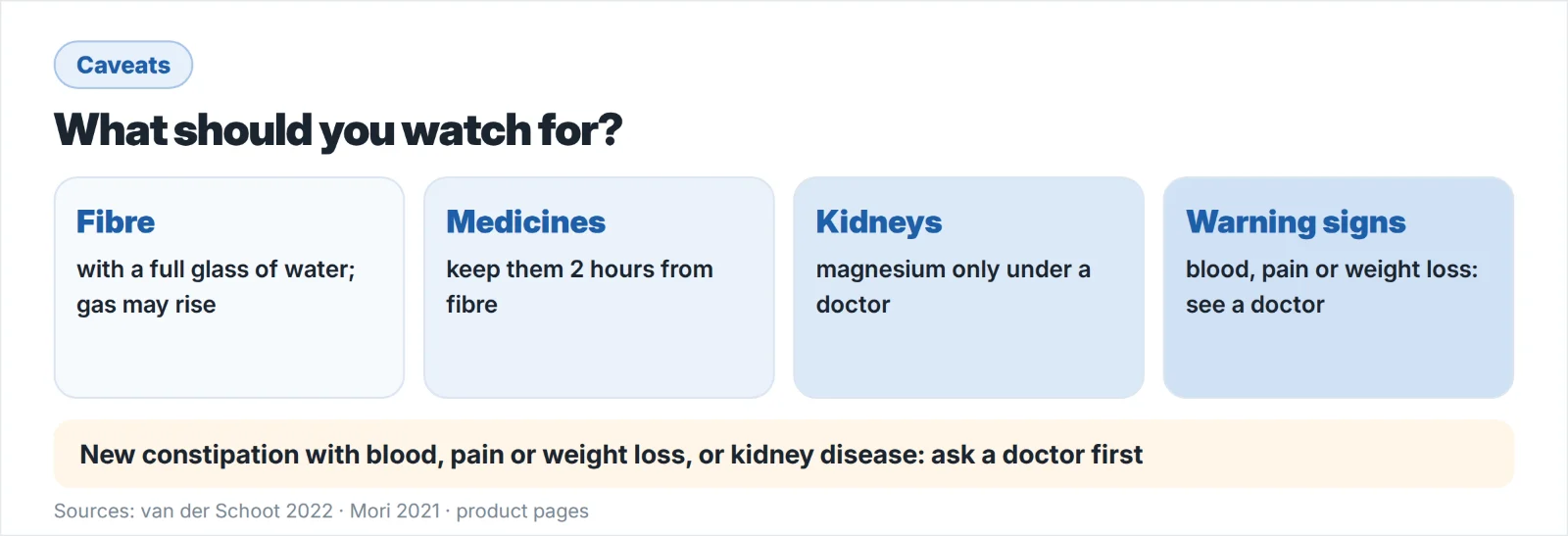
- If you try fibre: start small and increase gradually with a full glass of water, and give it 4 weeks.
- Medicines: keep them 2 hours from fibre (the acacia page).
- If you try magnesium: at the dose on the page, do not go above 350 mg a day from supplements without a doctor, and stop if stools turn loose.
- If you take an antibiotic, thyroid or bone medicine, or have kidney disease: ask a doctor before any magnesium.
Ask a doctor first if
- The constipation is new or worsening, or comes with blood in the stool, severe pain, unexplained weight loss or vomiting.
- You have kidney disease or take regular medicines (blood pressure, thyroid, bone, antibiotics).
- You are pregnant or breastfeeding, older, or it is a child who is constipated.
- It continues after 4 weeks of changing diet and fibre.
- Severe belly pain, bloating or difficulty swallowing after fibre: stop and ask at once.
Want to ask?
Beseha pharmacists answer on WhatsApp. Tap the “Ask a pharmacist” button and tell them your medicines before you start.
FAQ
What is the best supplement for constipation?
Fibre has the strongest evidence, and psyllium is among the types with an effect (a 2022 review). Magnesium oxide also has evidence (a 2023 review). There is no study on the products we sell.
Does acacia gum treat constipation?
One study in a 2026 review found improved stool frequency. The product dose of 2.75 g a day is below the studied doses of fibre in general.
Does magnesium citrate help constipation?
The evidence we opened is on magnesium oxide (68% responded versus 19%). We opened no trial on the citrate.
When should I take fibre?
Acacia with breakfast per its page, and psyllium mixed in a full glass of water. Keep medicines 2 hours away.
Does fibre cause gas?
Yes, the review found more gas with fibre. Start small and increase gradually.
When should I see a doctor?
If the constipation is new or comes with blood, pain or weight loss, or continues after 4 weeks of changing diet and fibre.
Read next: iron supplements and constipation, probiotics for IBS and types of magnesium.
The bottom line
For chronic constipation, fibre comes first: psyllium is the clearest type at above 10 g a day after 4 weeks, and acacia gum is a small dose. The magnesium evidence is on the oxide, not the citrate. There is no study on the four products, and new constipation with blood, pain or weight loss goes to a doctor.
Psyllium Husk at Beseha → Rotamag Citrate at Beseha →
Sources
- van der Schoot et al. 2022: fiber supplementation in chronic constipation
- Mou et al. 2026: dietary fibers for chronic idiopathic constipation
- Xi et al. 2025: dietary fiber in elderly constipation
- van der Schoot et al. 2023: food, vitamin or mineral supplements
- Mori et al. 2021: magnesium oxide in constipation
- Raked et al. 2026: fibre manipulation in functional bowel disorders
- Dimidi et al. 2025: British Dietetic Association guideline for chronic constipation
- Product page at Beseha
- Product page at Beseha
- Product page at Beseha
- Product page at Beseha
This content is for information and is not a substitute for advice from a doctor or pharmacist. Prices and availability may change; the final price is on the product page.


