- Your cart is empty
- Continue shopping
Ingredient
Whey Protein Concentrate products
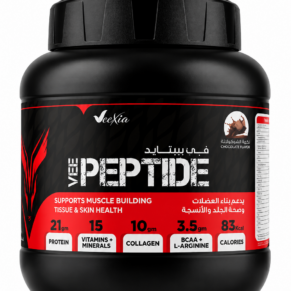
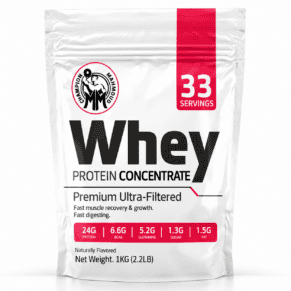
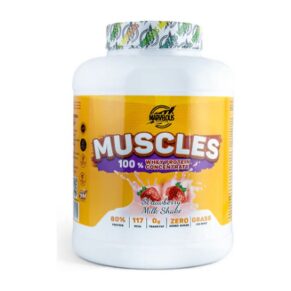
Whey protein concentrate is a milk-derived protein that gym-goers, busy people and anyone struggling to hit daily protein needs often look for. On our shelf it comes in two forms: powder tubs from ASN, TVN, Commandos, Dr.
14 products · 9 brands · from 60 EGP
- Cash on delivery
- Delivery 12–72 h, all governorates
- Free advice from licensed pharmacists



Shop by product type
All products →Best sellers
See all →-
NUTRI-NATIONS Nutri-Nations Whey X 24g Protein – Advanced Whey Protein with Digestive Enzymes2,690 EGP
-
Marvelous Nutrition whey Marvelous 66 serv | Premium Whey Protein for Muscle Growth & Recovery – 66 Servings3,750 EGP

Offers right now
All offers →Shop by goal
Shop by brand
Egyptian brands
 Organic Nation5 products
New arrivals
See all →-
NUTRI-NATIONS Nutri-Nations Whey X 24g Protein – Advanced Whey Protein with Digestive Enzymes2,690 EGP
-
Marvelous Nutrition whey Marvelous 66 serv | Premium Whey Protein for Muscle Growth & Recovery – 66 Servings3,750 EGP
Not sure what fits you?
Ask a pharmacist
Beseha pharmacists answer for free and suggest what suits your case. Cash on delivery, 12–72 h.
Guides to help you choose
All guides →
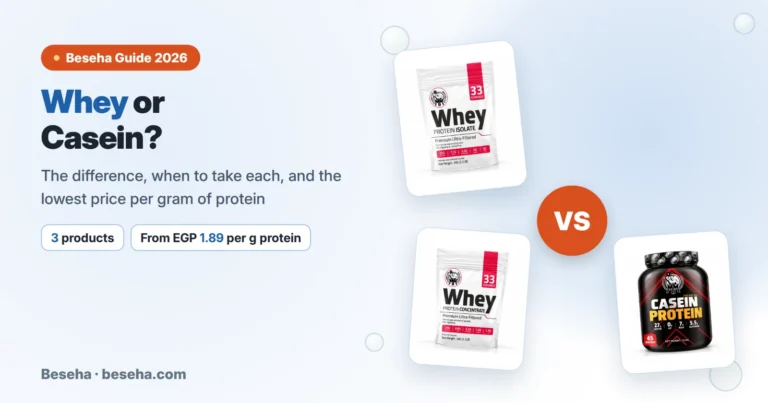
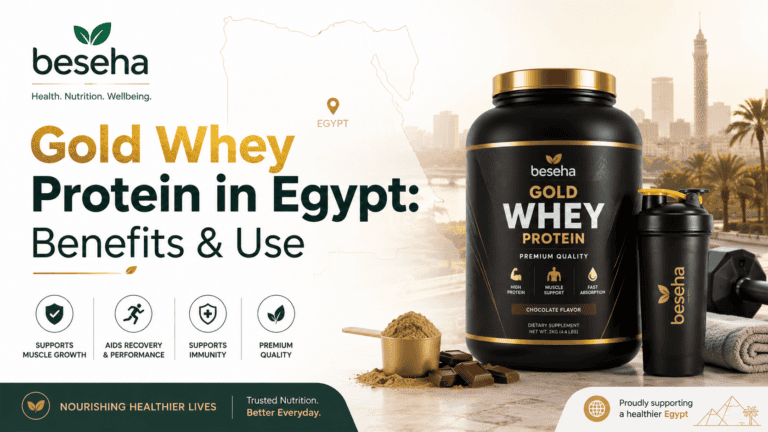
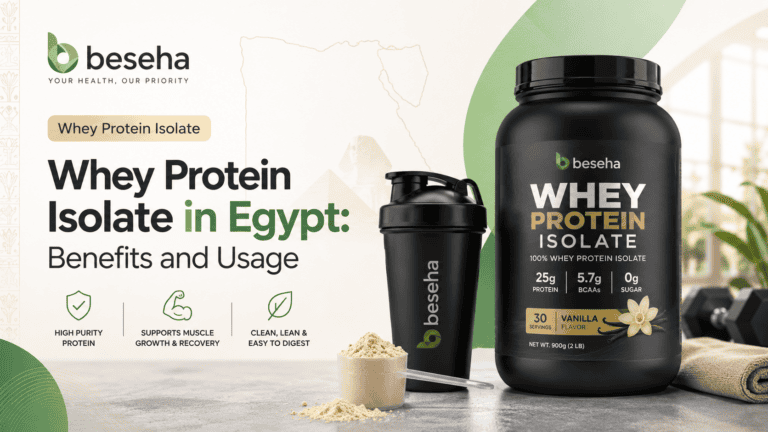
How to Choose Whey Protein Concentrate
Whey protein concentrate is a milk-derived protein that gym-goers, busy people and anyone struggling to hit daily protein needs often look for. On our shelf it comes in two forms: powder tubs from ASN, TVN, Commandos, Dr. Mohamed Mahmoud, Marvelous Nutrition, Nutri-Nations and Veexia (roughly 1,110–3,750 EGP), and ready-to-eat bars and truffles from Organic Nation (60–75 EGP). Powders usually give more protein per pound; snacks trade value for convenience.
How to choose
- Compare price per serving, not tub price: divide the cost by the listed number of servings.
- Check protein grams per scoop; some products list 21 g, others 24 g per serving.
- Bars and truffles suit on-the-go snacking; powders suit regular shakes after training or between meals.
- Mild lactose sensitivity? Ask the pharmacist about options with added digestive enzymes.
- Kidney or liver condition, pregnancy or regular medication? Talk to your doctor before starting.
Frequently asked questions
What's the difference between whey concentrate and other whey types?
Concentrate is less processed, so it keeps some fat and lactose and usually has a lower protein percentage than isolate, often at a lower price. Some products on the shelf are blends of more than one whey type, so read the ingredient list to see what you're actually getting.
Do I need whey if my diet already has enough protein?
Not necessarily. Whey is a supplement that may help you top up daily protein conveniently; it doesn't replace food. If your meals already include meat, eggs, dairy or legumes in good amounts, you may not need it. Ask the pharmacist or a dietitian to estimate your needs based on weight and activity.
When and how should I take it?
Most people mix one scoop with water or milk after training or between meals, following the serving size on the label. Taking more doesn't mean faster results and may cause bloating or digestive discomfort for some. Spread your protein across the day alongside regular food.
Who should be careful or avoid whey protein?
Anyone with a milk protein allergy should avoid it. People with lactose intolerance may feel discomfort, since concentrate contains some lactose. Those with kidney or liver disease, or who are pregnant, should check with their doctor first. Some products add BCAAs and glutamine, and the cutting bundle includes creatine, so read labels and ask the pharmacist.
Can protein bars replace the powder?
Organic Nation Secrets bars offer 23–26 g protein for 75 EGP each and are very convenient, but they usually carry more calories and cost more per gram of protein than powder. They work well as an occasional snack, while powder tends to be more practical for daily use.
General information, not medical advice. Ask your doctor or pharmacist about your own case.