
- Your cart is empty
- Continue shopping
-
Waleed Mohamed
- Posted on
- Categories:Beauty & Joint Health
- 0 comments
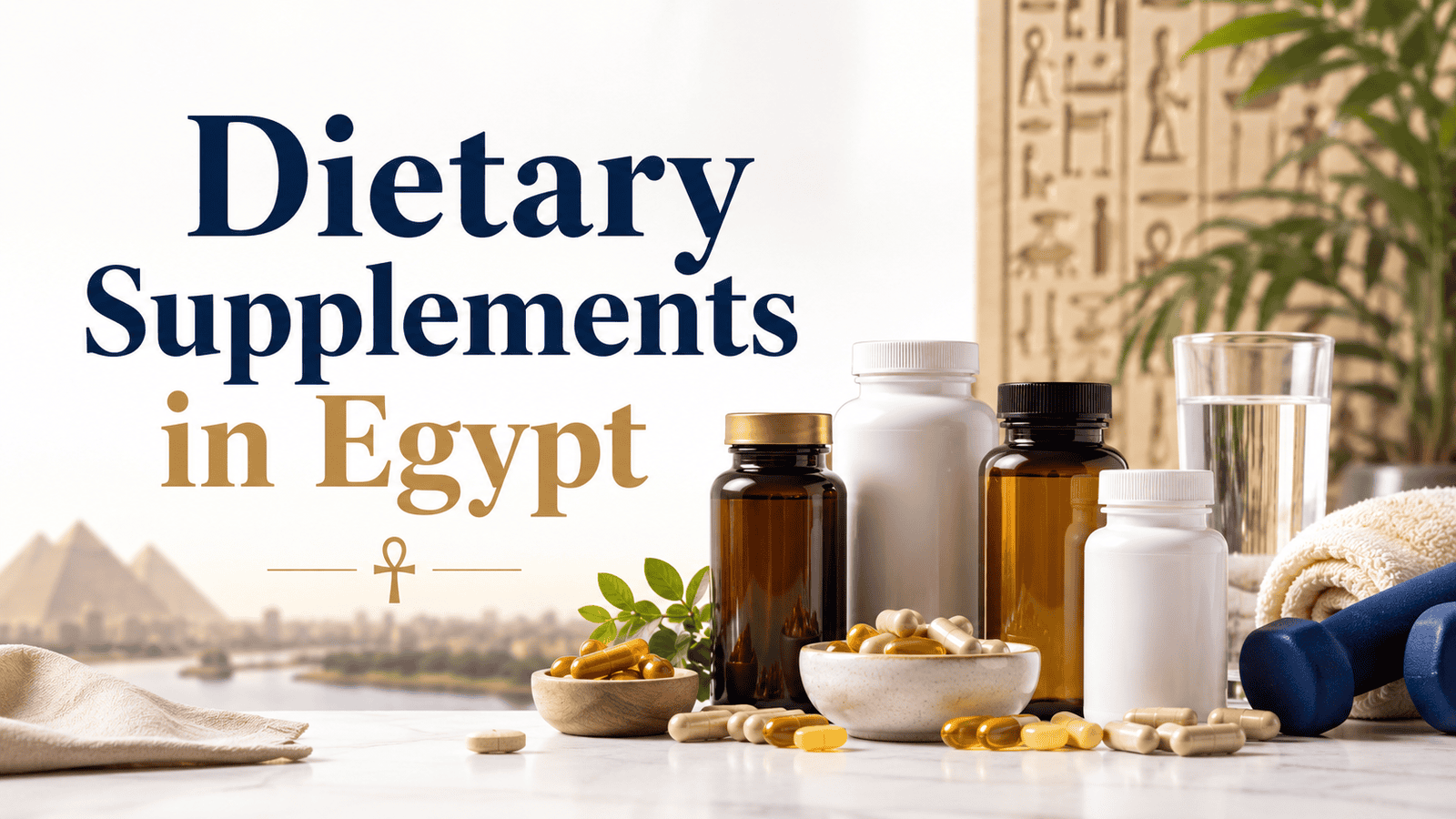
Dietary Supplements in Egypt | A Safe Buyer’s Guide
Discover a complete guide to choosing dietary supplements in Egypt with besha, including types, benefits, safe usage tips, buying advice, and common FAQs before purchase.
Dietary Supplements: Your Complete Guide to Choosing the Best Options Safely in Egypt
Dietary supplements have become one of the most searched health-related products in Egypt. Many people now look for supplements to support daily energy, improve lifestyle, compensate for nutritional gaps, or help the body get essential vitamins, minerals, proteins, and other nutrients. With the growing interest in health, fitness, and balanced nutrition, one important question appears: how can you choose the right dietary supplement safely and wisely?
In this guide from besha, you will find a clear and practical explanation of dietary supplements, their main types, general benefits, how to choose the right product, and the most important precautions you should know before buying or using any supplement. This article is written especially for people in Egypt, focusing on common needs, available product categories, and the best way to approach supplements as supportive products rather than replacements for food or medical treatment.
What Are Dietary Supplements?
Dietary supplements are products designed to support the daily diet with nutrients the body may need, such as vitamins, minerals, protein, amino acids, omega-3, probiotics, collagen, and some natural extracts. These products are available in different forms, including capsules, tablets, powders, liquids, gummies, and effervescent tablets.
The main purpose of any dietary supplement is to complete or support the diet, not to replace balanced meals. A person who follows a healthy and varied diet may not need the same supplements as someone who has a confirmed vitamin deficiency, follows a restricted diet, or performs intense physical training.
It is also important to understand that dietary supplements do not treat diseases and should not be used instead of prescribed medication. If you have a medical condition, take regular medication, or suffer from chronic health issues such as diabetes, high blood pressure, kidney disease, liver disease, or heart problems, it is always better to consult a doctor or pharmacist before using any supplement.
Why Are Dietary Supplements Becoming Popular in Egypt?
The demand for dietary supplements in Egypt has increased in recent years due to several factors. More people are joining gyms, following fitness programs, becoming aware of nutrition, and trying to improve their health. At the same time, long working hours, stress, lack of sleep, and reliance on fast or unbalanced meals have made many people feel they need extra nutritional support.
Many individuals experience fatigue, poor concentration, low energy, or general weakness, so they begin searching for vitamins or supplements that may help support their lifestyle. Athletes and gym-goers often look for protein supplements, creatine, and amino acids to support training and muscle recovery. Meanwhile, some women and men are interested in beauty-related supplements such as collagen, biotin, zinc, and vitamin C for hair, skin, and nails.
However, higher demand does not mean that every product is suitable for every person. Choosing dietary supplements should be based on real needs, product quality, clear ingredients, appropriate dosage, and a trusted place of purchase.
Main Types of Dietary Supplements
1. Vitamins and Minerals
Vitamins and minerals are among the most common dietary supplements. They include vitamin D, vitamin B complex, vitamin C, iron, zinc, magnesium, calcium, and selenium. These nutrients play important roles in the body, such as supporting immune function, bone health, energy production, hair health, skin health, and general wellness.
In Egypt, vitamin D is one of the nutrients many people pay attention to, especially due to limited regular sun exposure or indoor lifestyles. Iron is also commonly used by people who feel tired, weak, or pale. However, iron supplements should not be taken randomly without medical advice or lab testing, because excessive iron intake may cause health problems.
2. Protein Supplements
Protein supplements, especially whey protein, are very popular among athletes, gym members, and people trying to increase their daily protein intake. Protein is essential for muscle building, post-workout recovery, tissue repair, and supporting satiety as part of a balanced nutrition plan.
Still, protein supplements should not replace natural food sources such as eggs, meat, chicken, fish, legumes, yogurt, and dairy products. Protein powder may be useful when a person finds it difficult to meet daily protein needs through food alone, especially when training regularly.
3. Omega-3 Supplements
Omega-3 is a well-known supplement, often sourced from fish oil. Many people use omega-3 to support general health, especially if they do not eat fatty fish regularly. When choosing an omega-3 supplement, it is important to check product quality, EPA and DHA concentration, storage instructions, and the reliability of the brand.
4. Creatine Supplements
Creatine is one of the most popular sports supplements. It is commonly used by people who practice resistance training and high-intensity exercise. Creatine may support athletic performance when used correctly alongside proper training, nutrition, hydration, and rest. The most common type is creatine monohydrate, which is widely used because of its popularity, availability, and simple usage.
However, people with kidney problems or those taking certain medications should not use creatine without consulting a healthcare professional.
5. Hair, Skin, and Beauty Supplements
Hair and skin supplements are popular among both women and men. These products may contain biotin, collagen, zinc, vitamin C, and formulas that combine several nutrients. They may be helpful when there is a nutritional deficiency or poor dietary intake, but they are not magical solutions for hair loss, weak nails, or skin problems.
For example, hair loss can have many causes, including iron deficiency, hormonal changes, stress, low protein intake, scalp conditions, or other health issues. That is why it is better to identify the cause before relying on a supplement.
6. Probiotics and Digestive Support Supplements
Probiotics are beneficial bacteria used to support the balance of the digestive system. Some people may consider probiotics when they experience repeated digestive discomfort, bloating, or gut-related issues. However, choosing the right probiotic depends on the individual case and the specific need. People with weakened immunity or chronic illness should use probiotics only after professional advice.
How to Choose the Right Dietary Supplements
Choosing dietary supplements in Egypt requires awareness because the market contains many different brands, formulas, and claims. Do not choose a supplement only because of a social media advertisement or a recommendation from a non-specialist. Before buying any product, follow these important steps.
First, define your goal clearly. Are you looking to support energy? Correct a vitamin deficiency? Increase protein intake? Improve workout performance? Support general wellness? Each goal may require a different type of supplement.
Second, read the ingredients carefully. A good product should clearly show its ingredients, dosage, usage instructions, warnings, country of origin, expiry date, and manufacturer details. Avoid products that use exaggerated claims such as “instant results,” “guaranteed cure,” or “complete treatment.”
Third, buy from a trusted source. In Egypt, it is better to purchase dietary supplements from reputable pharmacies, known supplement stores, or trusted sellers that provide original products. Avoid unknown products, suspicious sellers, or prices that seem unrealistically low.
Fourth, do not combine several supplements without a reason. Some people take vitamins, minerals, protein, creatine, omega-3, fat burners, and pre-workout products at the same time without a clear plan. This may increase the risk of side effects, stomach discomfort, excessive dosage, or interactions.
Fifth, consult a doctor or pharmacist when needed. This is especially important for pregnant women, breastfeeding mothers, children, older adults, people with diabetes, high blood pressure, kidney disease, liver disease, heart conditions, or anyone taking regular medication.
Are Dietary Supplements Necessary for Everyone?
Dietary supplements are not necessary for everyone. A person who eats balanced meals containing enough protein, vegetables, fruits, whole grains, healthy fats, and gets regular sun exposure may not need many supplements. On the other hand, a person with a confirmed deficiency, limited diet, high athletic demand, or specific health-related need may benefit from a suitable supplement.
The most important point is that supplements should be based on actual needs, not trends. Do not use a product just because it is popular, and do not expect one supplement to compensate for poor sleep, unhealthy eating, lack of exercise, high stress, or smoking.
Best Time to Take Dietary Supplements
The best time to take dietary supplements depends on the type of supplement. Some vitamins are better taken with food, especially fat-soluble vitamins such as vitamin D, vitamin A, vitamin E, and vitamin K. Some minerals may cause stomach discomfort if taken on an empty stomach. Protein can be taken after training or at any time during the day depending on your protein needs. Creatine is usually taken daily with consistency according to the recommended dosage.
The most important factor is not always timing, but correct dosage and regular use when needed. Taking a higher dose does not mean faster results. In fact, excessive intake may cause side effects or health risks.

Common Mistakes When Buying Dietary Supplements
Many people make mistakes when buying dietary supplements. One of the most common mistakes is relying only on advertising. Another mistake is assuming that the most expensive product is always the best. Some people also buy supplements without reading the ingredients or understanding what the product actually contains.
Another common belief is that supplements are always safe because they are “natural.” This is not always true. Some natural ingredients may interact with medications or may not be suitable for certain health conditions.
Another mistake is using weight-loss supplements or fat burners without professional guidance, especially products that promise major weight loss in a short period. Healthy weight loss depends mainly on a calorie deficit, balanced nutrition, regular physical activity, and good sleep. No supplement can replace these foundations.
Many beginners also use sports supplements without proper training or nutrition. Protein and creatine will not provide meaningful results if training is inconsistent, calorie intake is poor, or the overall lifestyle is not supportive.
Dietary Supplements for Athletes in Egypt
Athletes in Egypt often search for protein supplements, creatine, BCAA, omega-3, multivitamins, and pre-workout formulas. However, not every athlete needs all of these products. The priority should always be food first, then identifying the actual need.
If you go to the gym to build muscle, start by making sure you consume enough protein from food, organize your calories, sleep well, drink enough water, and follow a progressive training program. After that, a protein supplement may be useful if you cannot meet your protein needs through meals. Creatine may also be considered if it suits your health condition and there are no medical concerns. see also.
Pre-workout supplements should be used carefully, especially if they contain high caffeine or strong stimulants. People with high blood pressure, heart palpitations, anxiety, sleep problems, or sensitivity to caffeine should be cautious.
Dietary Supplements for Women
Women in Egypt often search for iron, vitamin D, calcium, collagen, biotin, zinc, and multivitamin supplements. Some supplements may be useful during specific life stages, such as pregnancy or breastfeeding. However, in these cases, no supplement should be used without medical advice because nutritional needs and safe doses vary from one woman to another.
For hair and skin support, it is better not to rely on one product only. Hair and skin health begins with balanced nutrition, adequate hydration, enough sleep, stress management, and treating any deficiency if present. Supplements may help as part of a complete plan, but they should not be treated as the only solution.
Dietary Supplements for Men
Men often look for supplements that support energy, training performance, muscle growth, testosterone-related wellness, recovery, or general health. Common choices include protein, creatine, zinc, vitamin D, magnesium, and omega-3. These supplements may be helpful when there is a real need, but men should avoid products that make exaggerated claims about strength, hormones, or performance.
If the goal is better athletic performance or daily energy, the foundation should be proper nutrition, regular exercise, sufficient sleep, stress reduction, and avoiding unhealthy habits. Supplements come after these basics as an additional support, not as a replacement.
How to Know If a Supplement Is Not Suitable for You
A supplement may not be suitable for you if it causes stomach pain, nausea, headache, heart palpitations, insomnia, skin rash, diarrhea, severe constipation, or any unusual symptoms. If this happens, stop using the product and consult a healthcare professional, especially if you take medications or have a chronic condition.
You should also avoid using a product if you do not know why you are taking it, cannot understand its ingredients, or bought it from an unknown source.
besha Tips Before Buying Dietary Supplements in Egypt
besha recommends focusing on quality before price, actual need before trends, and trusted sources before tempting offers. Do not base your decision only on advertising. Read the ingredients, check the dosage, review the warnings, and ask a specialist when needed.
Remember that the best dietary supplement is the one that suits your body, goal, health condition, and daily routine. It is not necessarily the most famous or most expensive product. Real results usually come from combining proper nutrition, enough sleep, regular exercise, hydration, and responsible supplement use.
Conclusion
Dietary supplements can be a useful addition to your lifestyle when used correctly and responsibly. However, they are not replacements for food, they do not treat diseases, and they are not suitable for everyone in the same way. In Egypt, where many supplement options are available, smart selection is more important than quick buying.
Start by defining your goal, reviewing your diet, choosing a trusted source, reading the ingredients, and consulting a doctor or pharmacist if you are unsure. With the right guidance from besha, you can approach dietary supplements more safely, avoid exaggerated claims, and make better choices for your health and lifestyle.
Frequently Asked Questions About Dietary Supplements
1. What are dietary supplements?
Dietary supplements are products that contain nutrients such as vitamins, minerals, proteins, amino acids, or other ingredients that support the diet. They do not replace healthy food or medical treatment.
2. Are dietary supplements necessary for everyone?
No, dietary supplements are not necessary for everyone. The need depends on diet quality, health condition, physical activity, lifestyle, and sometimes lab test results.
3. What is the best supplement for energy?
There is no single best supplement for everyone. Some people may need vitamin B complex, vitamin D, iron, or magnesium if they have a deficiency, but it is better to identify the real cause of fatigue first.
4. Is protein powder safe?
Protein powder may be suitable for many healthy adults and athletes when used in the right amount and purchased from a trusted source. However, it does not replace food and may not be suitable for all health conditions.
5. Can I use supplements without consulting a doctor?
Some general supplements may be used carefully, but it is better to consult a doctor or pharmacist if you take medication, have a chronic disease, are pregnant, breastfeeding, or considering high doses.
6. Can dietary supplements help with weight gain?
Some supplements, such as protein powders or mass gainers, may support weight gain when combined with a calorie-surplus diet. However, they will not increase weight effectively without enough food intake.
7. Do supplements help with weight loss?
No supplement can replace a healthy weight-loss plan. Weight loss mainly depends on calorie control, balanced meals, regular movement, and good sleep.
8. What are the most important gym supplements for beginners?
Beginners should focus first on food, training, hydration, and sleep. If needed, protein powder or creatine may be considered depending on the person’s goal and health condition.
9. How can I choose an original dietary supplement in Egypt?
Buy from a trusted pharmacy or reputable supplement store, check the packaging, expiry date, product label, ingredients, and avoid unknown sellers or unrealistic prices.
10. Do dietary supplements have side effects?
Yes, some supplements may cause side effects or interact with medications. Always follow the recommended dose and consult a specialist when needed.
FAQ Schema Content Ready to Add Without Code
Question: What are dietary supplements?
Answer: Dietary supplements are products that contain nutrients such as vitamins, minerals, proteins, amino acids, or other ingredients that support the diet. They do not replace healthy food or medical treatment.
Question: Are dietary supplements necessary for everyone?
Answer: No, the need for dietary supplements varies from person to person depending on diet, health condition, physical activity, lifestyle, and possible deficiencies.
Question: Can I use dietary supplements without consulting a doctor?
Answer: It is better to consult a doctor or pharmacist before using supplements, especially during pregnancy, breastfeeding, chronic illness, or regular medication use.
Question: What is the best supplement for athletes?
Answer: It depends on the goal. Some athletes use protein or creatine, but proper nutrition and consistent training should always come first.
Question: Does protein powder replace food?
Answer: No, protein powder is only a supplement. It does not replace natural protein sources such as eggs, meat, chicken, fish, legumes, and dairy products.
Question: Do dietary supplements treat diseases?
Answer: No, dietary supplements do not treat diseases and should not be used instead of prescribed medication or medical care.
Question: How do I choose a good dietary supplement?
Answer: Choose a product from a trusted source, read the ingredients, dosage, warnings, expiry date, and make sure the product label is clear and reliable.
Question: Are weight-loss supplements effective?
Answer: They should not be relied on alone. Weight loss mainly depends on a proper diet, physical activity, calorie control, and good sleep.
Question: Are natural supplements always safe?
Answer: Not always. Some natural ingredients may cause side effects or interact with medication, so they should be used carefully.
Question: Where can I buy dietary supplements in Egypt?
Answer: It is better to buy from trusted pharmacies or reputable supplement stores and avoid unknown products or suspicious offers.


